

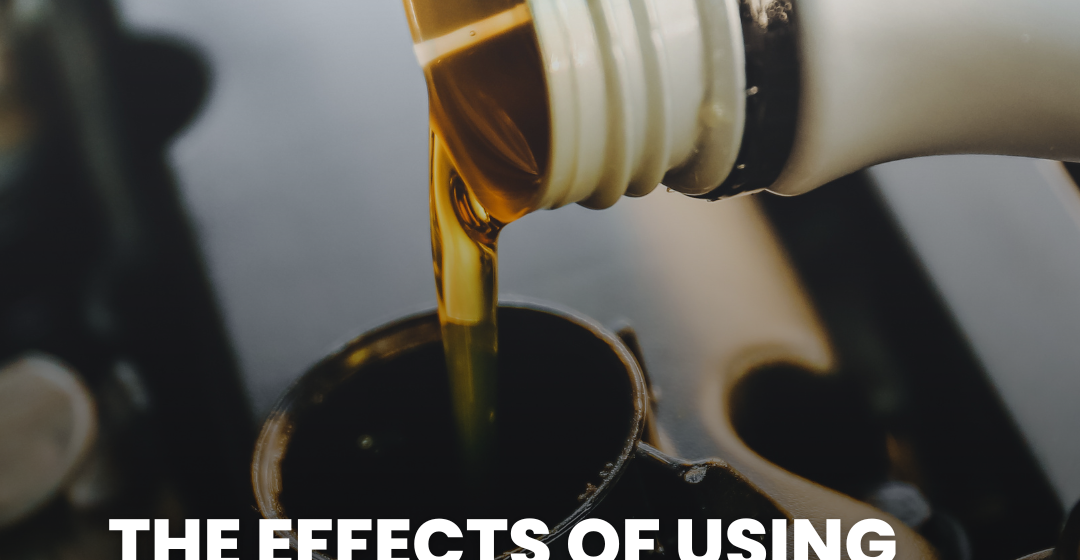
Your car’s engine relies on the right engine oil to perform optimally. Engine oil not only lubricates the engine but also cools, cleans, and protects its components. But what happens if you use the wrong type of engine oil? The consequences can be far-reaching, leading to expensive repairs and shortened engine life. Here’s an in-depth look at the effects of using the wrong engine oil in your car.
1. Increased Engine Wear
One of the primary functions of engine oil is to reduce friction between moving parts in the engine. Using the wrong oil—whether it’s the wrong viscosity or incorrect oil type—can compromise its ability to lubricate the engine effectively.
- Consequence: Without proper lubrication, metal parts in the engine will rub against each other, causing excessive wear and tear.
- Result: This leads to the breakdown of engine components over time and increases the likelihood of engine failure.
2. Overheating and Poor Engine Cooling
Engine oil not only lubricates the engine but also helps to dissipate heat generated by the moving components. The right type of oil is designed to maintain a specific viscosity range, even at high temperatures.
- Consequence: If the oil is too thin (low viscosity), it may not be able to withstand high temperatures, leading to overheating. If it’s too thick (high viscosity), it may not flow easily enough to cool the engine.
- Result: This can result in engine overheating, which may lead to catastrophic engine damage if left unchecked.
3. Decreased Fuel Efficiency
The wrong engine oil can create extra friction inside the engine, which in turn causes it to work harder. When your engine works harder, it uses more fuel.
- Consequence: Using a low-quality or incorrect oil type can reduce fuel efficiency, meaning you’ll spend more money on gas.
- Result: Over time, you’ll notice that your car’s fuel consumption increases, leading to higher operating costs.
4. Poor Performance in Extreme Temperatures
Cars have to function in a wide range of temperatures, and different oils are formulated to perform optimally at different temperature ranges. If you live in an area with extreme heat or cold, using the wrong oil can cause the engine to struggle.
- Consequence: If you use an oil with the wrong viscosity rating, it may fail to flow properly in cold weather (causing the engine to struggle on cold starts) or it may thin out too much in hot weather (resulting in insufficient lubrication).
- Result: This compromises engine performance, reduces fuel efficiency, and may cause premature engine wear.
5. Sludge Buildup and Clogging
Over time, engine oil collects contaminants like dirt, metal particles, and carbon deposits. The right engine oil comes with detergents and dispersants that help break down these contaminants and prevent sludge buildup.
- Consequence: Using the wrong oil can lead to poor cleaning action, causing sludge buildup in the engine. This thick, dark substance can clog vital engine parts such as the oil passages and valves.
- Result: Sludge buildup reduces engine performance, and over time, it can cause the engine to seize if it blocks the oil flow.
6. Engine Seals Damage
Certain oils, especially those not designed for high-mileage vehicles, can cause seals and gaskets to deteriorate. This is especially true for older engines that require oils with specific additives to prevent leaks and maintain seal integrity.
- Consequence: The wrong oil may lead to premature degradation of rubber seals and gaskets.
- Result: This can cause oil leaks, which can further damage the engine and require costly repairs.
7. Increased Emissions
The right engine oil helps the engine burn fuel more efficiently, keeping emissions in check. Using an oil that doesn’t suit your car can cause inefficient fuel combustion, resulting in higher emissions.
- Consequence: A mismatch in oil type can lead to increased exhaust emissions, which could contribute to air pollution and also lead to your car failing emissions tests.
- Result: Higher levels of pollutants are released, reducing environmental efficiency and potentially leading to a need for expensive repairs.
8. Voiding Your Vehicle’s Warranty
Many car manufacturers require specific engine oils to maintain your vehicle’s warranty. Using the wrong oil could void your warranty and lead to costly repairs that you would otherwise have been covered for.
- Consequence: Failure to use the recommended oil can result in the manufacturer refusing to honor warranty claims.
- Result: Any repairs needed as a result of engine damage could be your responsibility, adding to the overall cost of ownership.
Conclusion
Using the wrong type of engine oil can have a significant impact on your vehicle’s performance, longevity, and reliability. From increased engine wear to poor fuel efficiency and potential engine failure, the consequences are far-reaching. To avoid these issues, always ensure that you’re using the right type and grade of oil for your car, as recommended by the manufacturer.
Tips to Avoid Using the Wrong Engine Oil:
- Always check your vehicle’s manual for the recommended oil type and viscosity.
- When in doubt, consult with a professional mechanic for advice on the best oil for your vehicle.
- Regularly check the oil level and quality to ensure your engine is well-maintained.
By selecting the right engine oil, you’ll keep your vehicle running smoothly and avoid costly repairs down the line. Keep your engine happy with the right oil choice!

 Account
 Categories
 Car filter
 Search
 Compare
 Sidebar
 Top
Top