

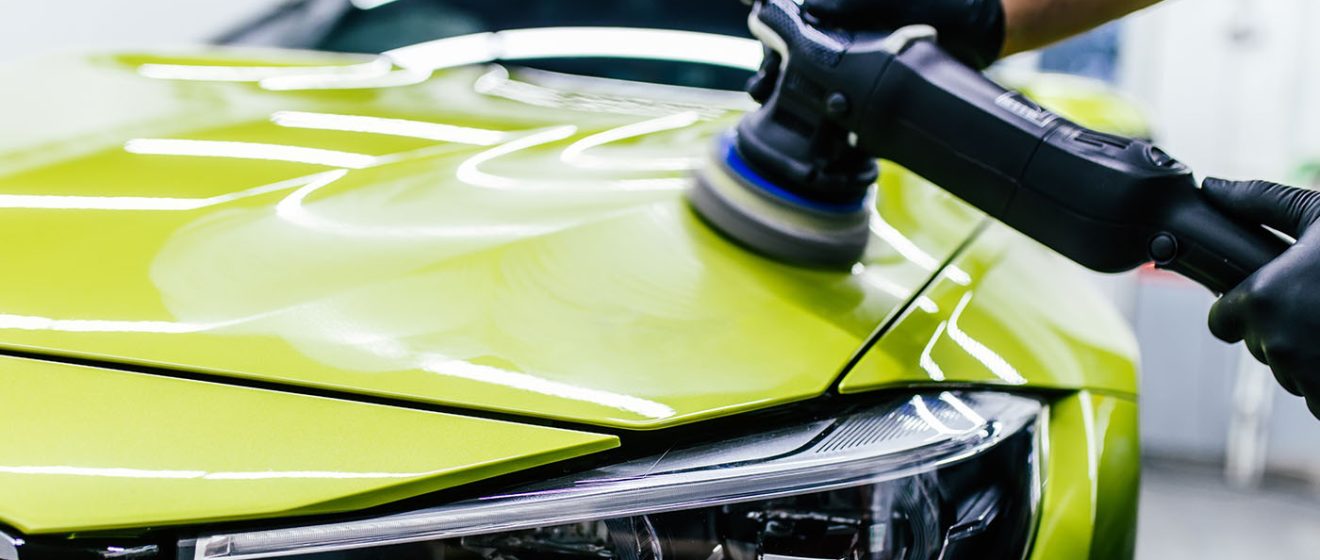
Car detailing is a highly specialized skill that requires precision, knowledge, and the right techniques to restore a vehicle’s appearance. One of the most essential elements of this process is car polishing, which can dramatically improve the paintwork, restoring its shine and depth. For detailers in Pakistan, understanding professional car polishing techniques is crucial for providing top-notch service to clients. In this blog, we’ll explore the essential polishing techniques that will help you achieve flawless results and elevate your car detailing business.
1. Why Car Polishing Matters
Before diving into the techniques, it’s important to understand why car polishing is such a vital step in the detailing process.
Car polishing is done to remove imperfections, swirl marks, oxidation, and scratches on a vehicle’s paint surface. Polishing is a finishing process that smooths out the paint, leaving it shiny, glossy, and free from any blemishes. It’s the step that transforms a dull, worn-out finish into a smooth, reflective surface.
In Pakistan, where the hot climate, dusty roads, and frequent rain can quickly dull a car’s paint, regular polishing is essential to maintain the vehicle’s aesthetic appeal. Whether for personal vehicles or high-end clients, professional polishing can make a noticeable difference.
2. Essential Polishing Tools
To deliver exceptional results, the right tools are key. Here’s a list of tools every professional car detailer in Pakistan should have for polishing:
a) Dual-Action Polisher (DA Polisher)
A dual-action polisher is one of the most popular tools for professional detailers. It provides the perfect balance between polishing and safety. The DA polisher works by rotating the pad while it also oscillates, which prevents heat buildup and minimizes the risk of damaging the paint.
- Recommended for: Most polishing jobs, especially for beginners or medium to light swirl marks.
b) Rotary Polisher
A rotary polisher is typically used by experienced professionals for more aggressive polishing. Unlike the DA polisher, a rotary polisher moves the pad in a single, consistent motion, which allows for more correction of deep imperfections.
- Recommended for: Removing stubborn scratches or heavy swirl marks, but caution is required to avoid burning the paint.
c) Polishing Pads
Polishing pads come in various grades, from soft to hard, depending on the level of correction needed. For effective polishing, you should have a variety of pads:
- Soft pads: Ideal for fine polishing and applying finishing compounds.
- Medium pads: Good for general polishing and removing light to medium imperfections.
- Hard pads: Best for heavy correction work (e.g., removing deep scratches).
d) Polishing Compounds and Polishes
Choose high-quality compounds and polishes tailored to different paint conditions.
- Cutting compounds: These are more abrasive and are used for removing deeper imperfections.
- Polishing compounds: These are finer and are typically used for polishing out fine scratches and swirl marks.
- Finishing polishes: Used for creating a high-gloss finish and achieving a mirror-like shine.
3. Step-by-Step Professional Polishing Techniques
Now that you have the right tools, here’s a professional approach to car polishing:
Step 1: Prepare the Surface
Before polishing, the car must be thoroughly washed and dried. Any dirt, grease, or debris left on the paint will interfere with the polishing process and can result in scratches.
- Tip: Use a microfiber towel and gentle car shampoo to avoid any damage to the paint during washing.
- Claying: For an even cleaner surface, use a clay bar to remove contaminants like tree sap, industrial fallout, or road tar that washing may not remove.
Step 2: Inspect the Paint
Once the car is clean, inspect the paint for imperfections like swirl marks, light scratches, oxidation, or any other flaws. This will help you decide which type of polish and pad to use.
- Tip: Work under proper lighting to spot imperfections clearly. It’s always a good idea to use an LED light or inspection light during this process.
Step 3: Apply Polishing Compound
Begin by applying a small amount of your chosen compound to the polishing pad. Apply it to a small section of the vehicle’s paint surface. For beginners, it’s important to start with a soft pad and a less aggressive compound to avoid damaging the paint.
- Tip: Spread the product over the surface in circular motions to prevent splattering. Once spread evenly, increase the speed on your polisher and work in overlapping passes.
Step 4: Polish the Paint
Begin polishing the surface with your machine polisher. For dual-action polishers, use a moderate speed (4-5 on most machines). Keep the pad flat on the surface and work it in small sections (2×2 feet). Apply light pressure, letting the polisher do the work.
- Tip: Move the polisher slowly in both linear and circular motions to ensure even coverage.
Step 5: Inspect the Work
After a few passes, wipe away the residue using a clean microfiber towel. Inspect the area to see if the imperfections have been removed. If not, apply more compound and repeat the process.
Step 6: Polish with Finer Compound (Optional)
For a smooth, glossy finish, you may want to follow up with a finer polish or finishing compound. This step helps eliminate any micro scratches left behind from the cutting or polishing stage.
- Tip: Use a soft pad and apply light pressure to give the vehicle a high-gloss shine.
Step 7: Final Touches and Protection
After polishing, it’s important to protect the paintwork with a layer of wax or a paint sealant. This will lock in the shine and provide a layer of protection against dirt, water, and UV damage.
- Tip: Apply wax in small sections and use a microfiber towel to buff it off for the best results.
4. Common Mistakes to Avoid
Even experienced detailers can make mistakes while polishing. Here are some common pitfalls to avoid:
- Overheating the Paint: Excessive heat can burn the paint, especially with rotary polishers. Avoid staying too long in one spot and regularly check the pad temperature.
- Using the Wrong Pad/Compound Combo: Using too aggressive a compound or a wrong pad for your vehicle’s paint can cause swirls and scratches. Always start with a test spot.
- Polishing in Direct Sunlight: The sun can dry out polishes and cause them to leave streaks on the paint. Always polish in the shade or indoors.
5. Conclusion: Perfecting the Shine
Car polishing is an essential skill that requires both patience and precision. By mastering the right techniques and using the proper tools, detailers in Pakistan can provide top-tier services that leave customers thrilled with the results. With Pakistan’s diverse climate and road conditions, maintaining a vehicle’s finish is crucial, and professional polishing helps keep cars looking brand new.
Remember, every car is different, so understanding your client’s needs and the condition of their vehicle’s paint will allow you to choose the appropriate products and techniques for a flawless finish. Take the time to perfect your craft, and your clients will surely appreciate the professional touch you bring to their vehicles.

 Account
 Categories
 Car filter
 Search
 Compare
 Sidebar
 Top
Top