

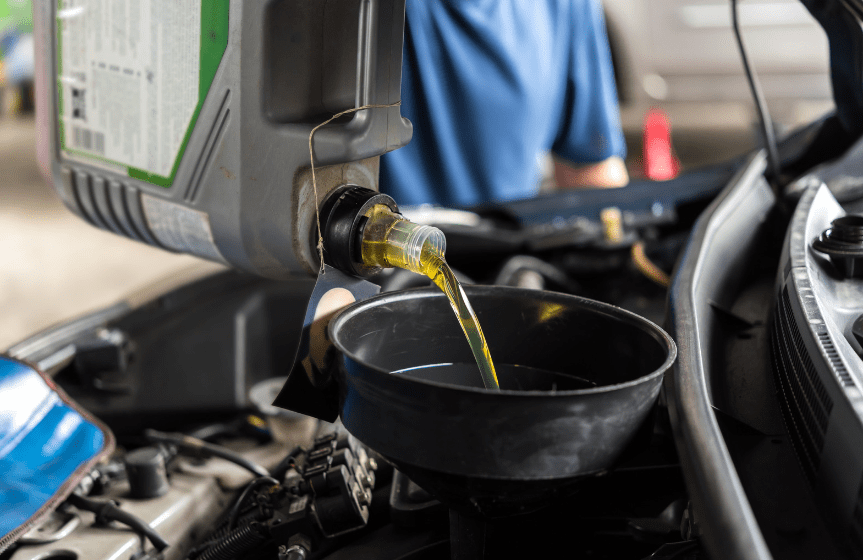
Owning a car comes with the responsibility of regular maintenance to keep it running smoothly. While some maintenance tasks may seem like an unnecessary expense, they can actually save you money in the long run by preventing costly repairs, improving fuel efficiency, and extending the lifespan of your vehicle. Whether you’re a seasoned car owner or a new driver, these 10 simple car maintenance tips will help you save money while ensuring your vehicle remains in good condition.
1. Change the Oil Regularly
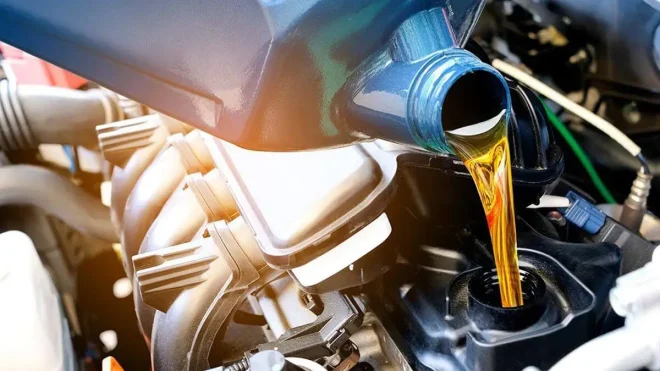
One of the easiest and most cost-effective ways to keep your car running smoothly is by changing the oil regularly. Oil lubricates your engine, reducing friction and preventing overheating. Over time, oil breaks down and loses its effectiveness. Neglecting oil changes can lead to engine wear, reduced fuel efficiency, and expensive engine repairs. Check your owner’s manual for the recommended oil change intervals, usually between 3,000 to 7,500 miles.
2. Monitor Tire Pressure
Under-inflated tires can lead to poor fuel efficiency, increased tire wear, and even dangerous driving conditions. Make it a habit to check your tire pressure monthly and before long trips. Properly inflated tires not only save fuel but also extend the lifespan of your tires, preventing premature replacement. Use a tire gauge to ensure the pressure matches the manufacturer’s recommendations.
3. Replace Air Filters
A clogged or dirty air filter can reduce engine performance and decrease fuel efficiency. Replacing your car’s air filter is a quick and inexpensive task that can significantly improve your engine’s performance. A clean air filter ensures that your engine gets enough air for combustion, which helps optimize fuel consumption and reduces emissions.
4. Keep Your Car Clean
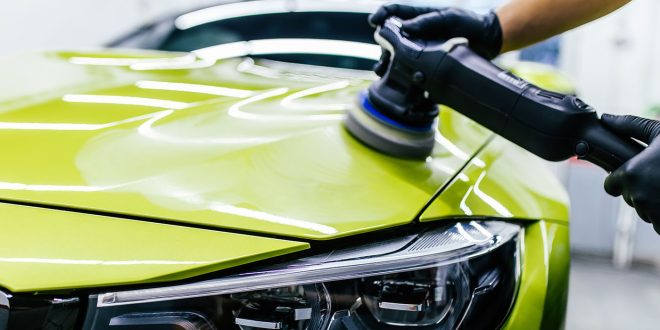
While it may seem like a cosmetic task, keeping your car clean can actually prevent long-term damage. Regular washing removes dirt, road salt, and debris that can corrode the exterior and undercarriage of your car. Waxing your car also provides a protective layer that can prevent paint from fading, which can help maintain its resale value.
5. Check and Replace Spark Plugs
Spark plugs are responsible for igniting the fuel in your engine. Over time, they can become dirty or worn out, leading to poor engine performance, decreased fuel efficiency, and increased emissions. Replacing spark plugs at regular intervals ensures your engine runs smoothly and efficiently, saving you money on fuel and reducing the likelihood of costly repairs down the road.
6. Don’t Ignore the Check Engine Light
The check engine light is your car’s way of telling you something is wrong, whether it’s a minor issue or a major malfunction. Ignoring it can lead to more expensive problems, as a small issue may escalate into something more serious. If the check engine light comes on, get your car inspected by a professional to avoid costly repairs.
7. Use the Right Fuel
While it may be tempting to go for the cheapest fuel available, using the right type of fuel for your car can help improve fuel efficiency and prevent damage to your engine. If your car requires premium fuel, using regular gas can lead to knocking or reduced performance. Always follow your car manufacturer’s recommendations for fuel to ensure optimal performance and avoid unnecessary costs.
8. Change Brake Pads Before They Wear Down
Brake pads are critical for your car’s safety, and they wear down over time. If you wait until the brake pads are completely worn out, you may damage the rotors, leading to expensive repairs. Inspect your brake pads regularly and replace them when necessary to avoid further damage and ensure your car stops safely.
9. Maintain Your Battery
A dead battery can leave you stranded, and replacing a car battery can be expensive. Prevent battery failure by cleaning the terminals regularly to remove corrosion and ensuring the battery is properly secured. If your battery is more than three years old, it’s worth getting it tested periodically. A proactive approach can save you from being caught off guard by a sudden battery failure.
10. Drive Gently and Responsibly
How you drive has a huge impact on the lifespan of your vehicle and your maintenance costs. Avoid aggressive driving behaviors, such as hard acceleration and sudden braking, as they can put unnecessary strain on your engine and brakes. Smooth driving not only improves fuel efficiency but also reduces the wear and tear on your vehicle, extending its lifespan and lowering repair costs.
Conclusion
Car maintenance doesn’t have to be expensive or time-consuming, but the little things you do to take care of your car can have a huge impact on its performance and your wallet. By following these 10 tips, you can avoid costly repairs, improve fuel efficiency, and extend the life of your car. Regular maintenance is key to keeping your vehicle in top shape and saving you money over time. So, take charge of your car’s health and start implementing these simple yet effective tips today!

 Account
 Categories
 Car filter
 Search
 Compare
 Top
Top