

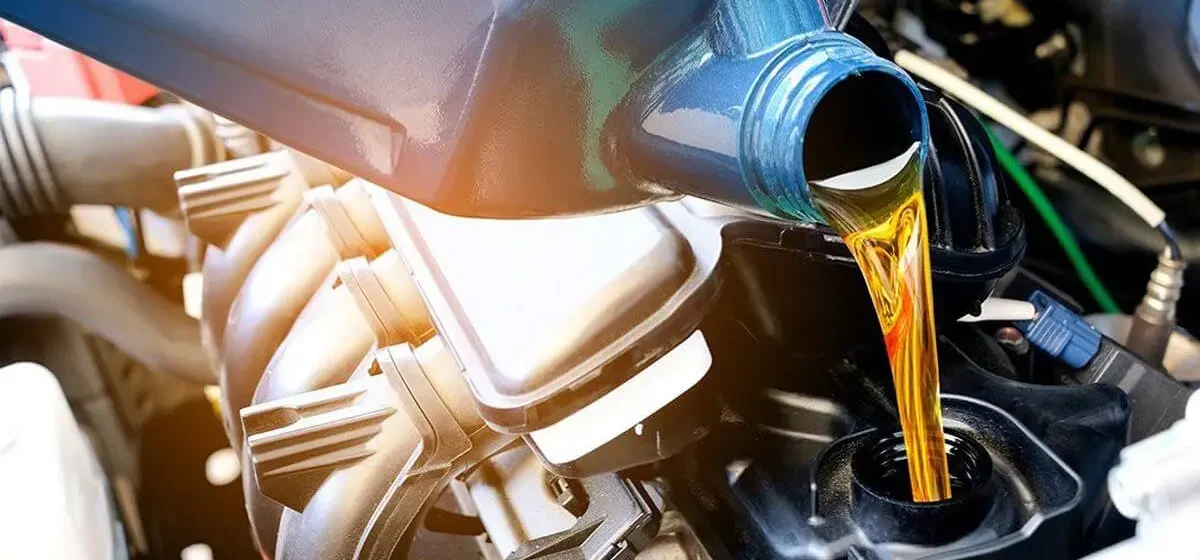
When it comes to maintaining your car, engine oil often steals the spotlight. However, another critical fluid that plays a vital role in the overall health of your vehicle is transmission fluid. Without proper maintenance of your transmission fluid, your car may face significant performance issues, including transmission failure. In this blog, we’ll dive into everything you need to know about car transmission fluid, its importance, signs of transmission trouble, and how to properly maintain it.
1. What is Transmission Fluid?
Transmission fluid is a special type of lubricant used to ensure the smooth operation of the transmission system in your vehicle. The transmission system is responsible for transferring the engine’s power to the wheels, allowing your car to change gears. The fluid helps with lubrication, cooling, and cleaning of the transmission system’s components, including gears, seals, and bearings.
In automatic transmissions, the fluid also serves as a hydraulic fluid that helps the car shift gears smoothly. For manual transmissions, it works mainly as a lubricant, ensuring that the gears shift without friction.
2. The Role of Transmission Fluid in Your Vehicle
Transmission fluid performs several critical functions to keep your car running smoothly:
- Lubrication: It reduces friction between moving parts in the transmission, ensuring they operate without causing wear and tear.
- Cooling: The transmission generates a significant amount of heat, and the fluid absorbs this heat to prevent overheating.
- Cleaning: Over time, the transmission system accumulates dirt and debris. The fluid helps to clean the components by carrying these particles away.
- Hydraulic Function: In automatic transmissions, the fluid acts as a hydraulic fluid that assists in gear shifting.
- Seal Protection: Transmission fluid also helps protect rubber seals in the transmission, keeping them from drying out and cracking.
3. Signs of Transmission Problems
Since transmission issues can lead to costly repairs, it’s essential to spot the warning signs early. Here are some common indicators that your transmission may be in trouble:
- Slipping Gears: If your car’s transmission is slipping out of gear while driving or having difficulty staying in gear, it could be a sign of low or dirty transmission fluid.
- Delayed or Rough Shifting: If your car hesitates or makes a grinding noise when shifting gears, this could indicate that the transmission fluid is insufficient or contaminated.
- Unusual Sounds: A whining or clunking sound when shifting gears can also be a sign of low transmission fluid or an issue within the transmission system.
- Warning Lights: Many modern vehicles have a transmission warning light on the dashboard. If this light turns on, it’s time to check your transmission fluid levels or get your transmission inspected.
- Burning Smell: If the transmission fluid overheats due to insufficient fluid or contamination, it can emit a burnt smell. This is a critical sign that needs immediate attention.
- Leaks: Puddles of red or brown fluid under your car can indicate a transmission fluid leak, which, if left unchecked, can lead to a complete failure of the transmission.
4. Types of Transmission Fluid
There are different types of transmission fluid designed for various transmission systems. The two main types are:
- Automatic Transmission Fluid (ATF): This fluid is used in automatic transmissions and contains additives to improve lubrication and cooling properties. ATF also assists in shifting gears smoothly in automatic cars.
- Manual Transmission Fluid: Manual transmissions often use a thicker, more durable fluid to ensure smooth shifting. Some manual transmissions may also use gear oil.
In addition to these, there are synthetic transmission fluids that provide enhanced performance, especially in high-performance vehicles or those operating under extreme conditions.
5. How to Maintain Your Transmission Fluid
Maintaining the right level and quality of transmission fluid is essential for ensuring your transmission operates smoothly. Here are a few tips for maintaining your transmission fluid:
a) Check Fluid Levels Regularly
- How: Most cars have a dipstick to measure the fluid levels, much like engine oil. Check your fluid levels when the engine is warm, and make sure the car is on level ground.
- What to Look For: The fluid should be bright red or pink. If it looks brown or has a burnt odor, it’s time to change it.
b) Change Transmission Fluid as Recommended
- When to Change: While some manufacturers recommend changing transmission fluid every 30,000 to 60,000 miles, it’s essential to consult your car’s manual for specific recommendations.
- Why: Over time, transmission fluid becomes contaminated with dirt and debris, which can impair its ability to lubricate and cool the transmission. Regular fluid changes help prevent damage.
c) Top Up Fluid Levels If Needed
- Why: Low fluid levels can lead to transmission slippage and overheating. If you notice a drop in the fluid level, it could indicate a leak that needs to be fixed.
d) Be Aware of Leaks
- What to Do: Transmission fluid is typically bright red or pink when fresh, but it may turn brownish when old. If you notice any leaks under your car, get the transmission system inspected by a mechanic to prevent further damage.
6. When Should You Seek Professional Help?
If you notice any of the symptoms mentioned earlier, or if you’re unsure about the condition of your transmission fluid, it’s best to consult a professional mechanic. Transmission issues are often complex, and while topping off fluid might help temporarily, a professional diagnosis is the best way to avoid further damage and costly repairs.
7. Conclusion
Transmission fluid is a crucial component for keeping your car’s transmission system running smoothly. By understanding its role, monitoring fluid levels, and addressing any issues early, you can ensure that your vehicle stays in top shape for years to come.
Don’t wait for your transmission to fail. Regular checks and maintenance of transmission fluid can save you from costly repairs and extend the life of your vehicle. Remember, if in doubt, always consult with a professional to ensure your transmission is in optimal condition!


 Account
 Categories
 Car filter
 Search
 Compare
 Top
Top